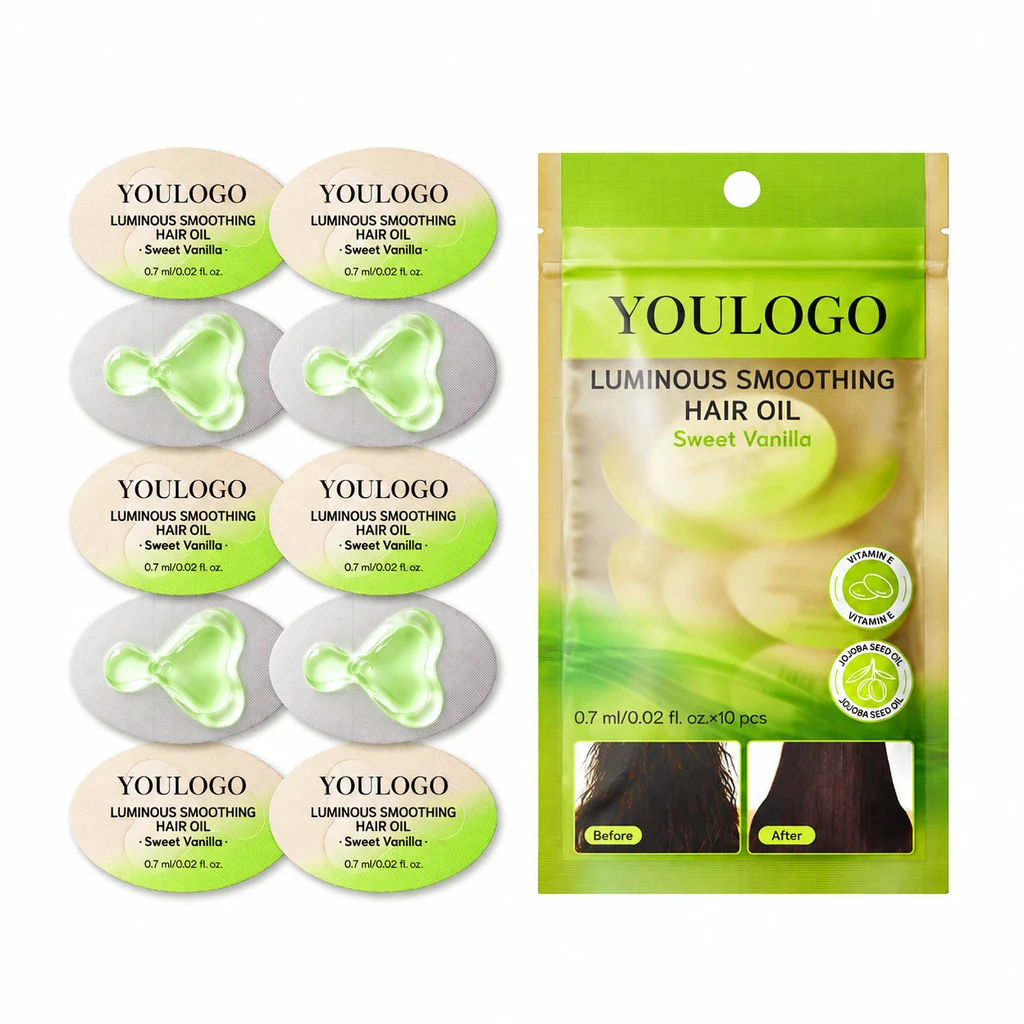
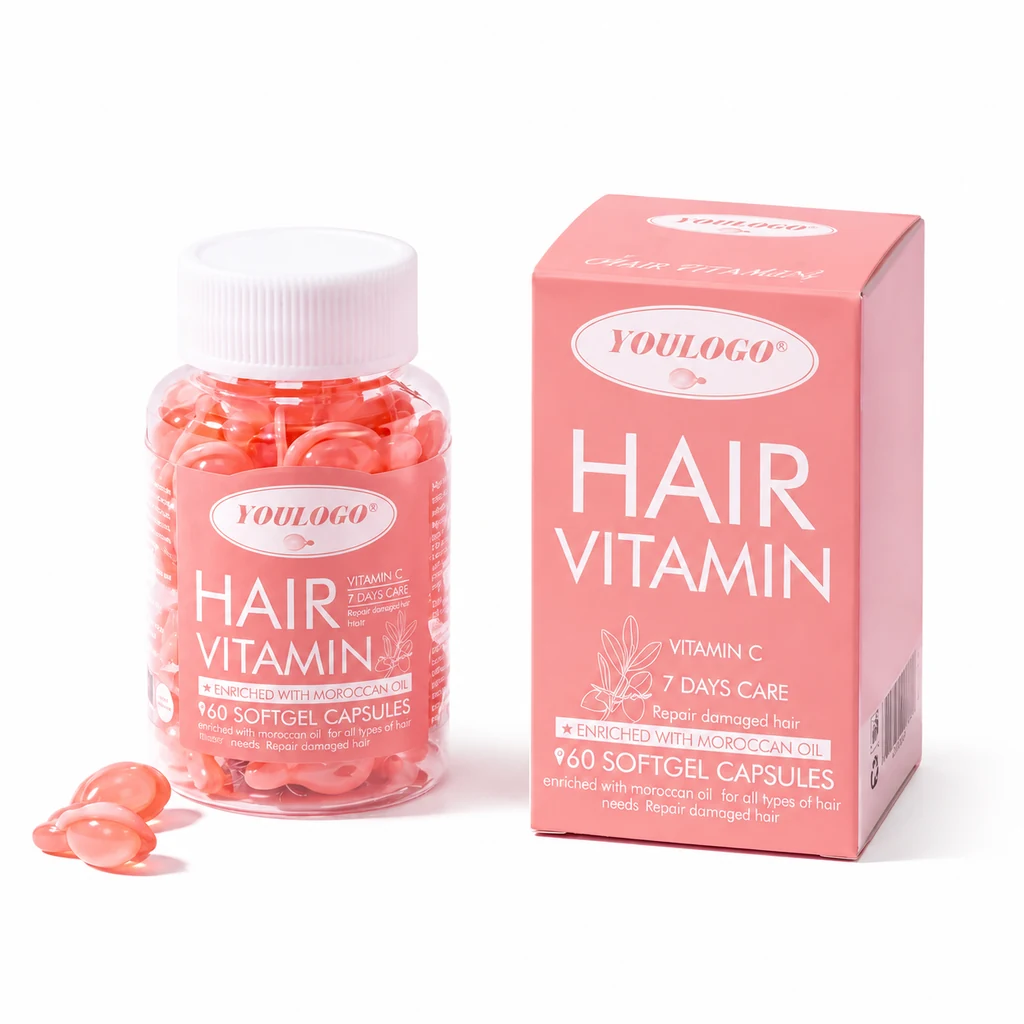
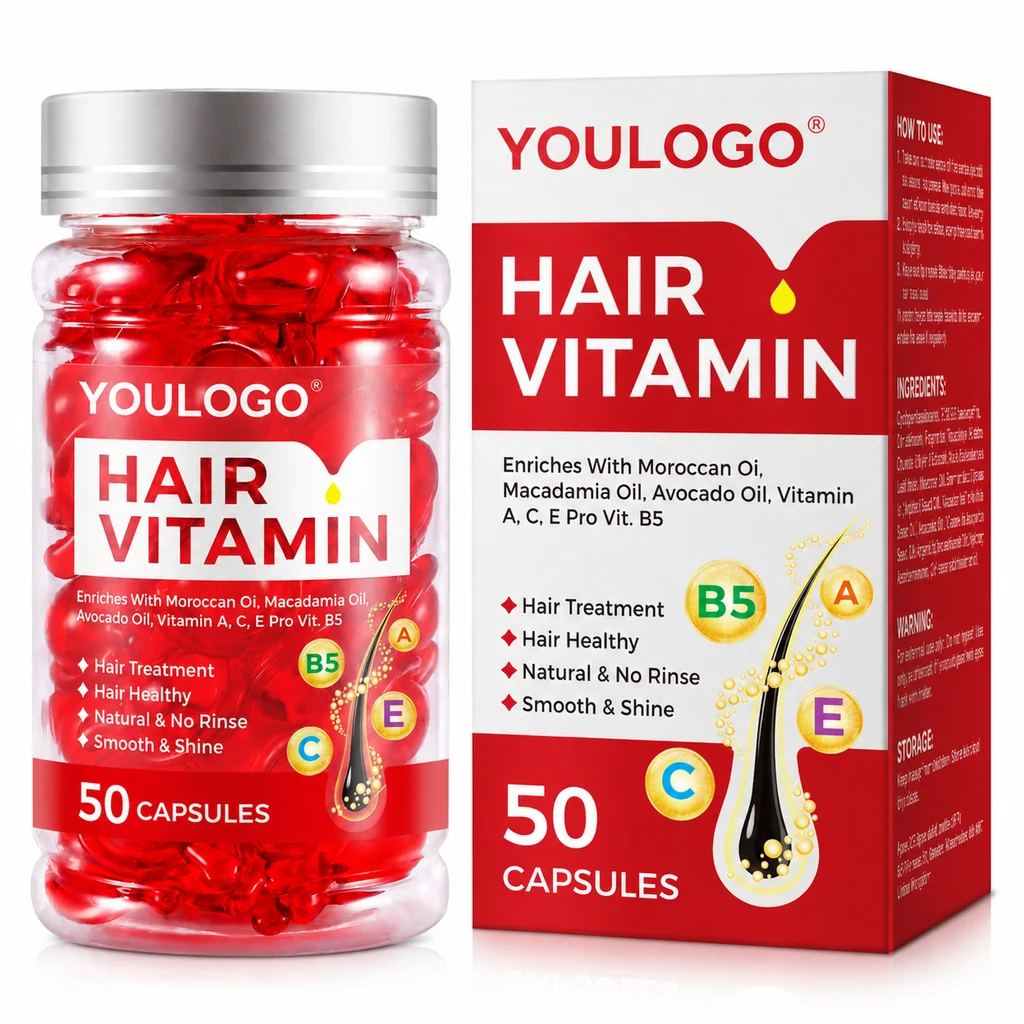
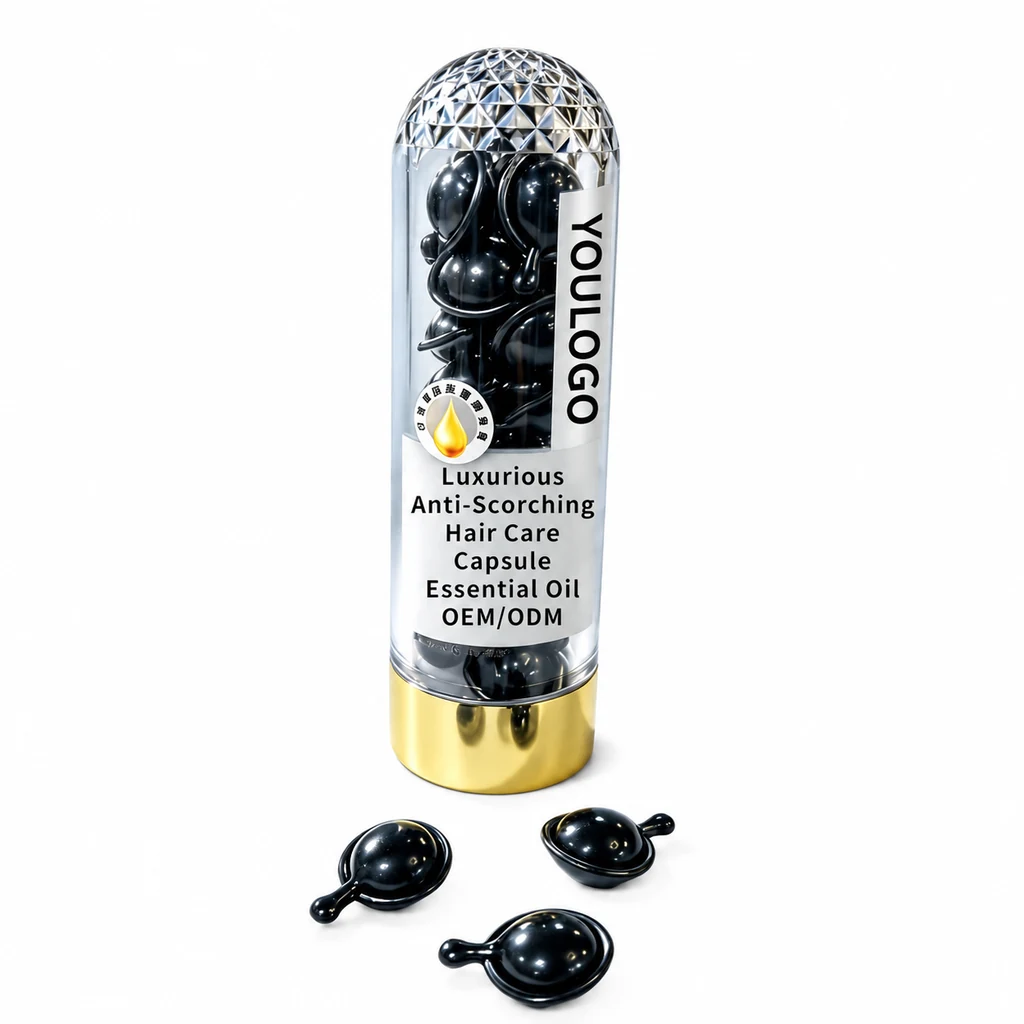
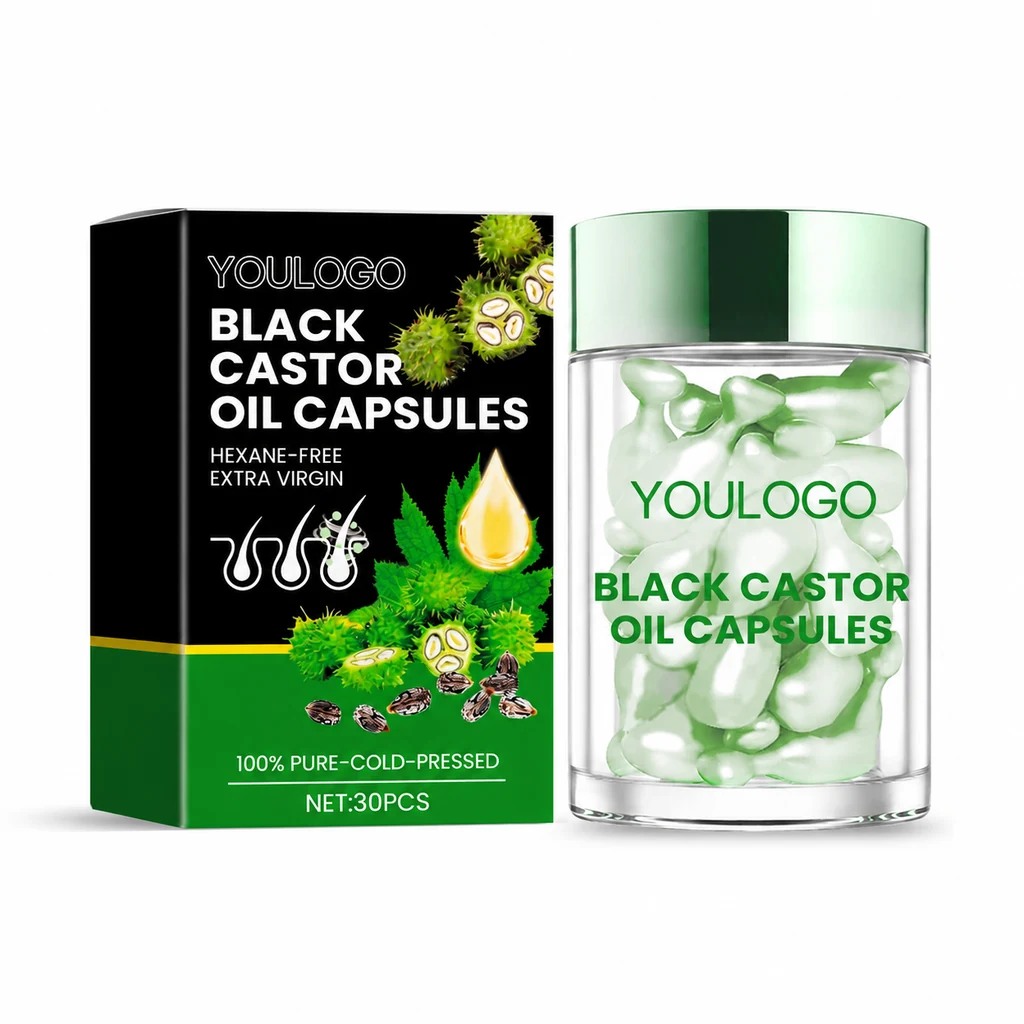
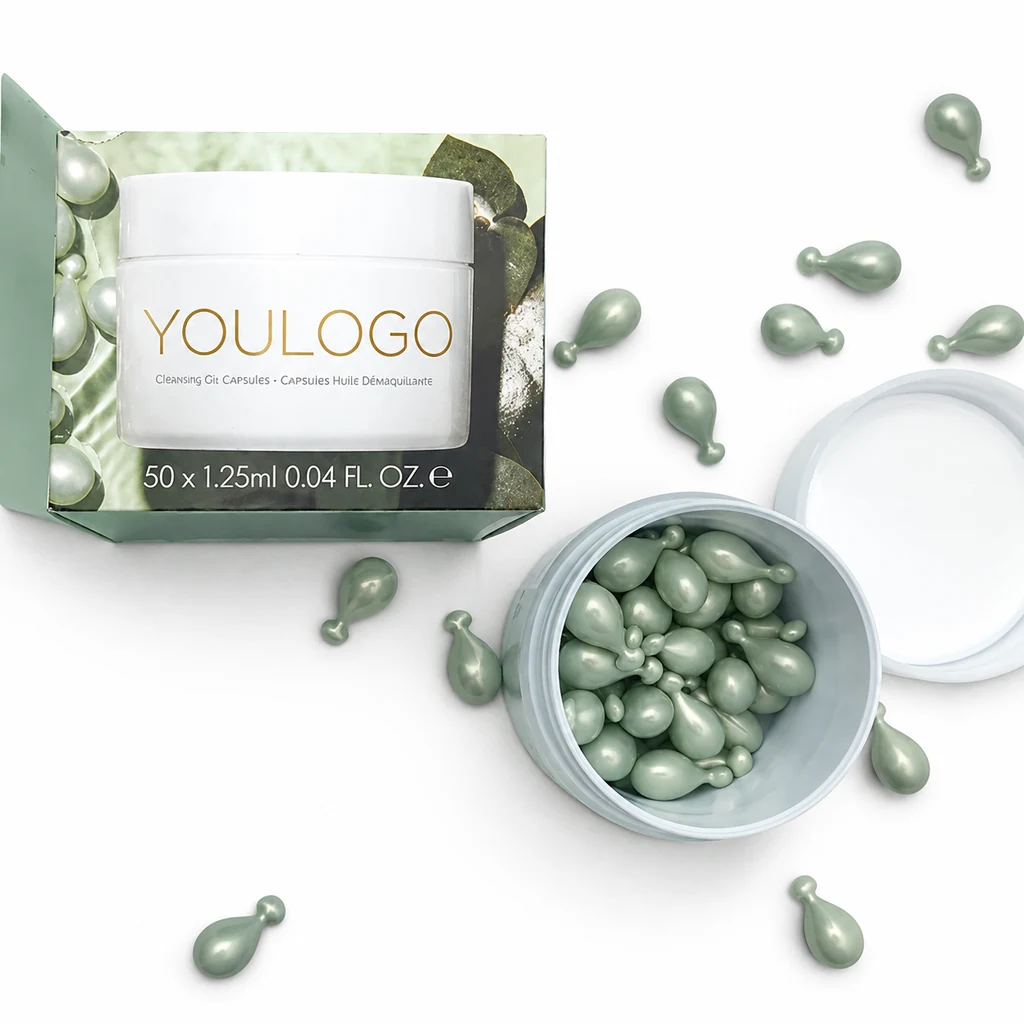
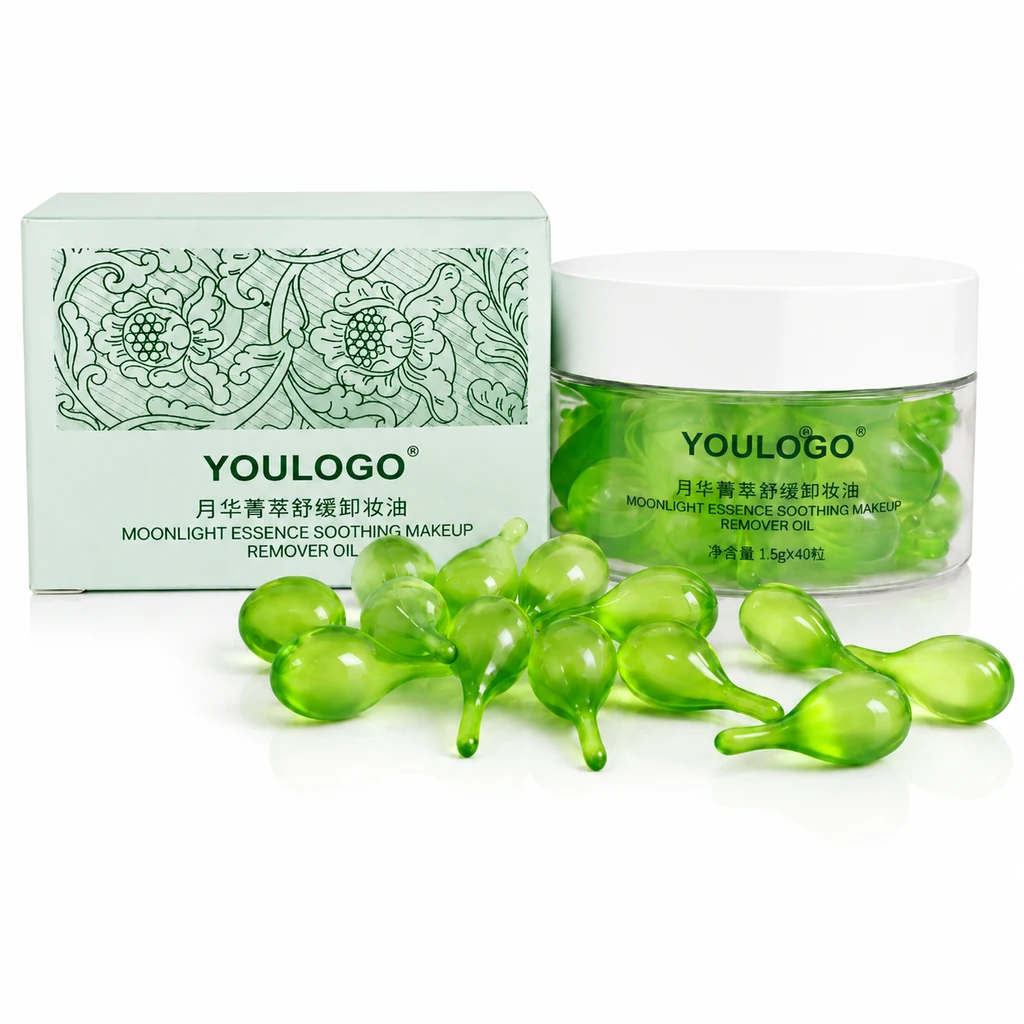
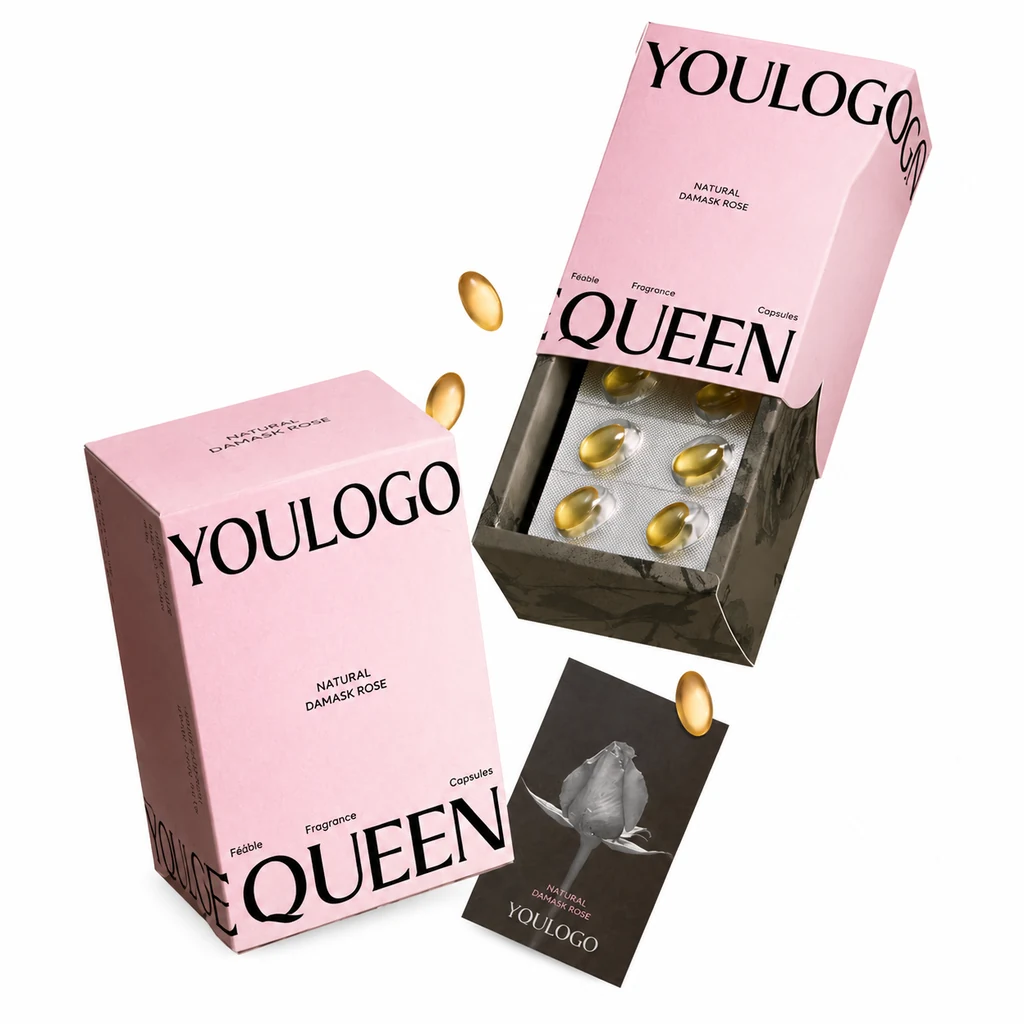
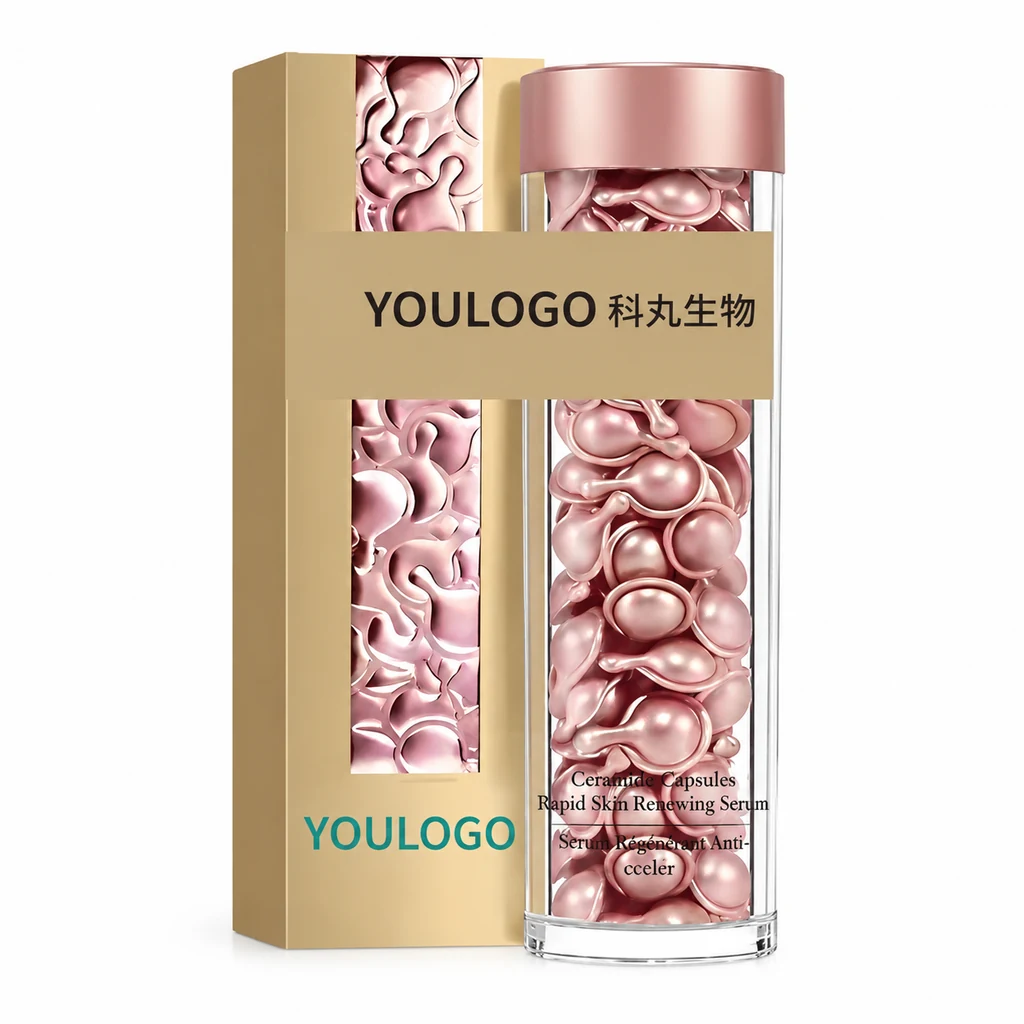
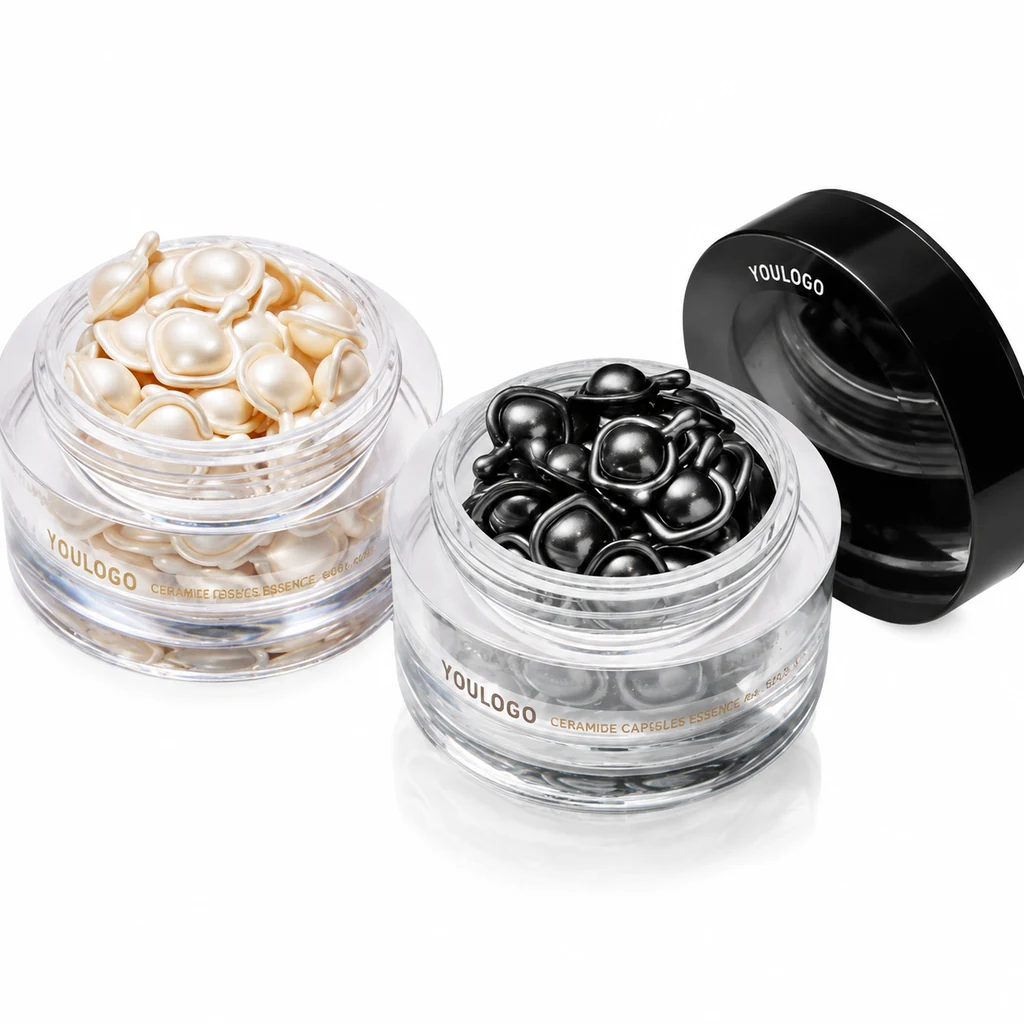
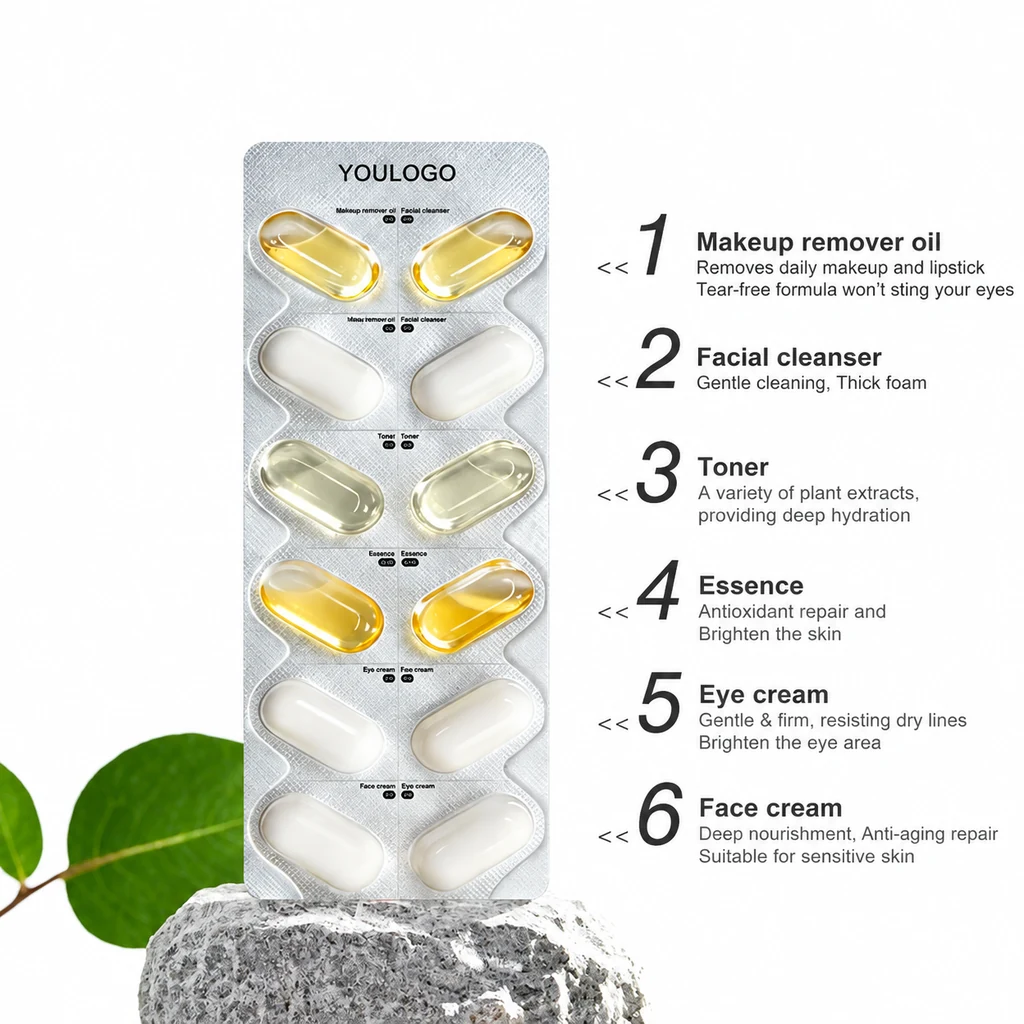
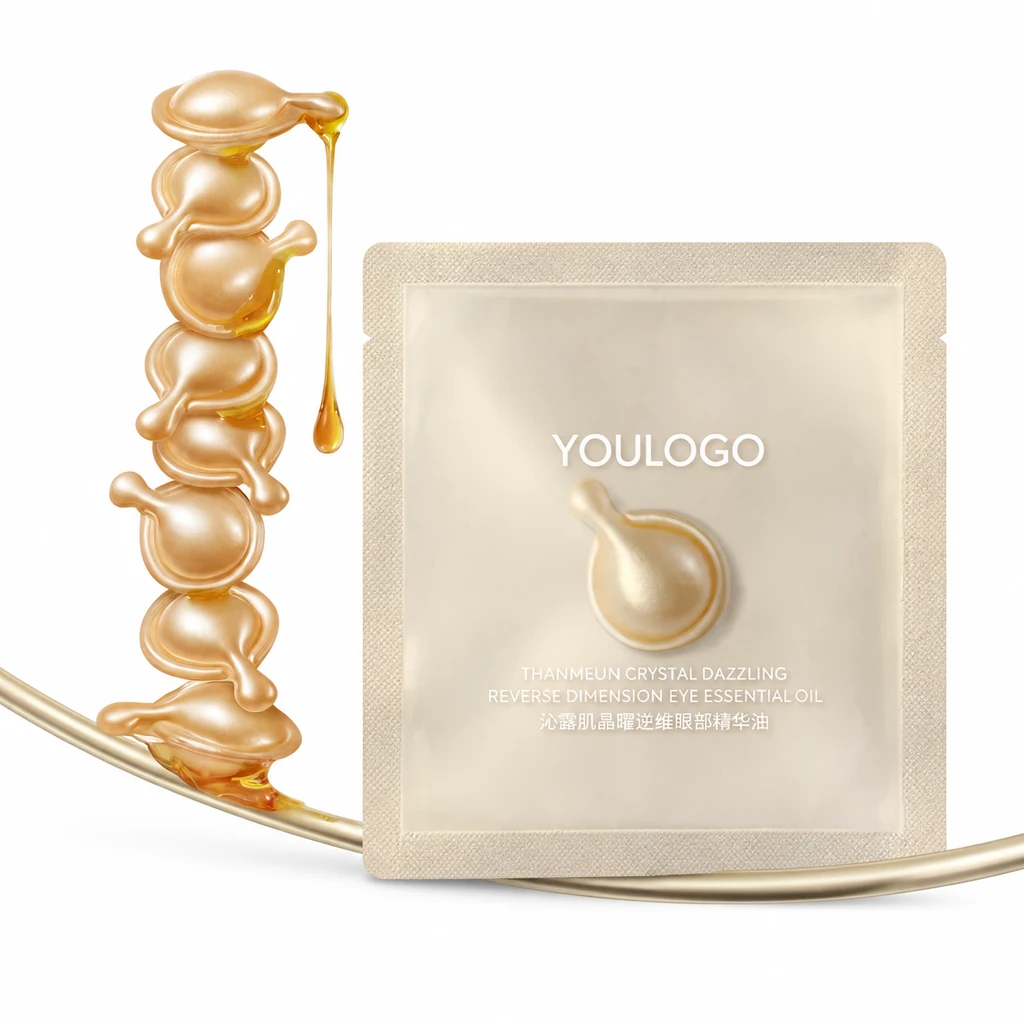
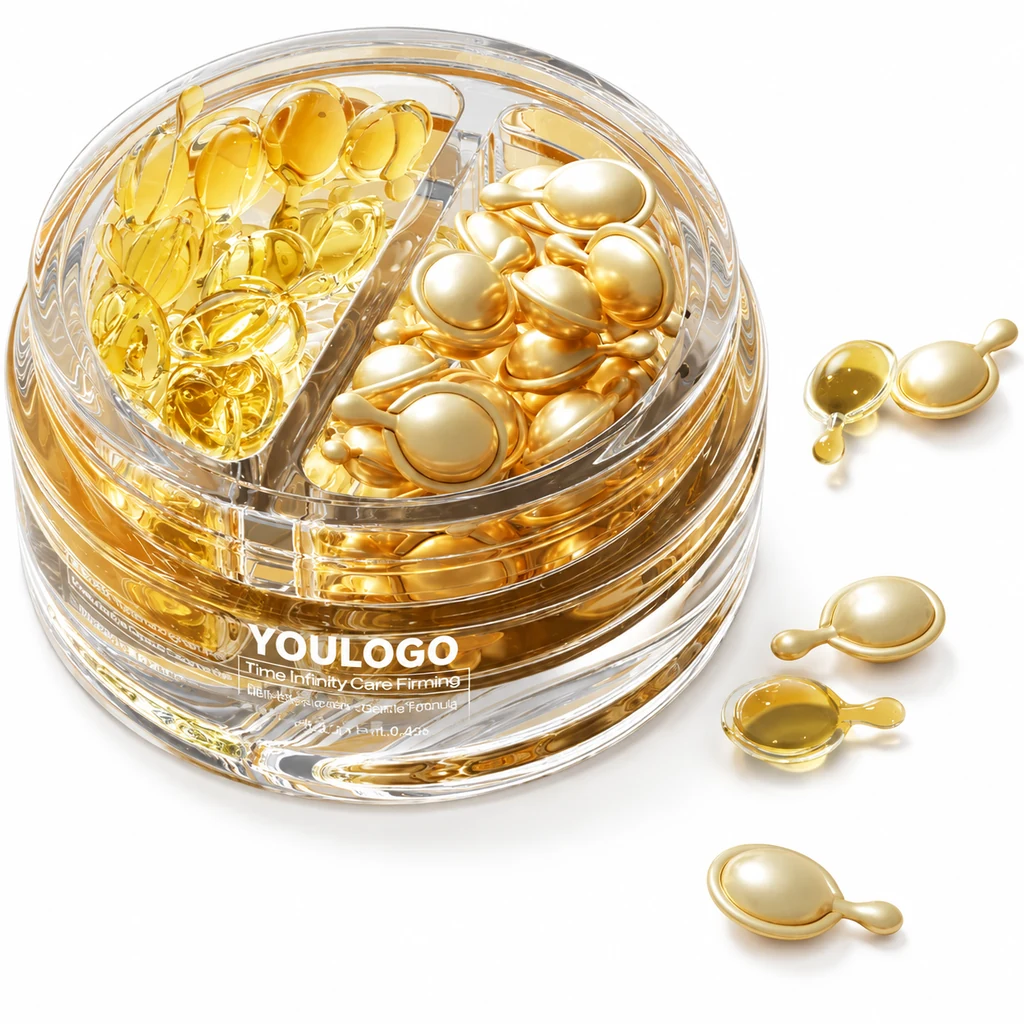
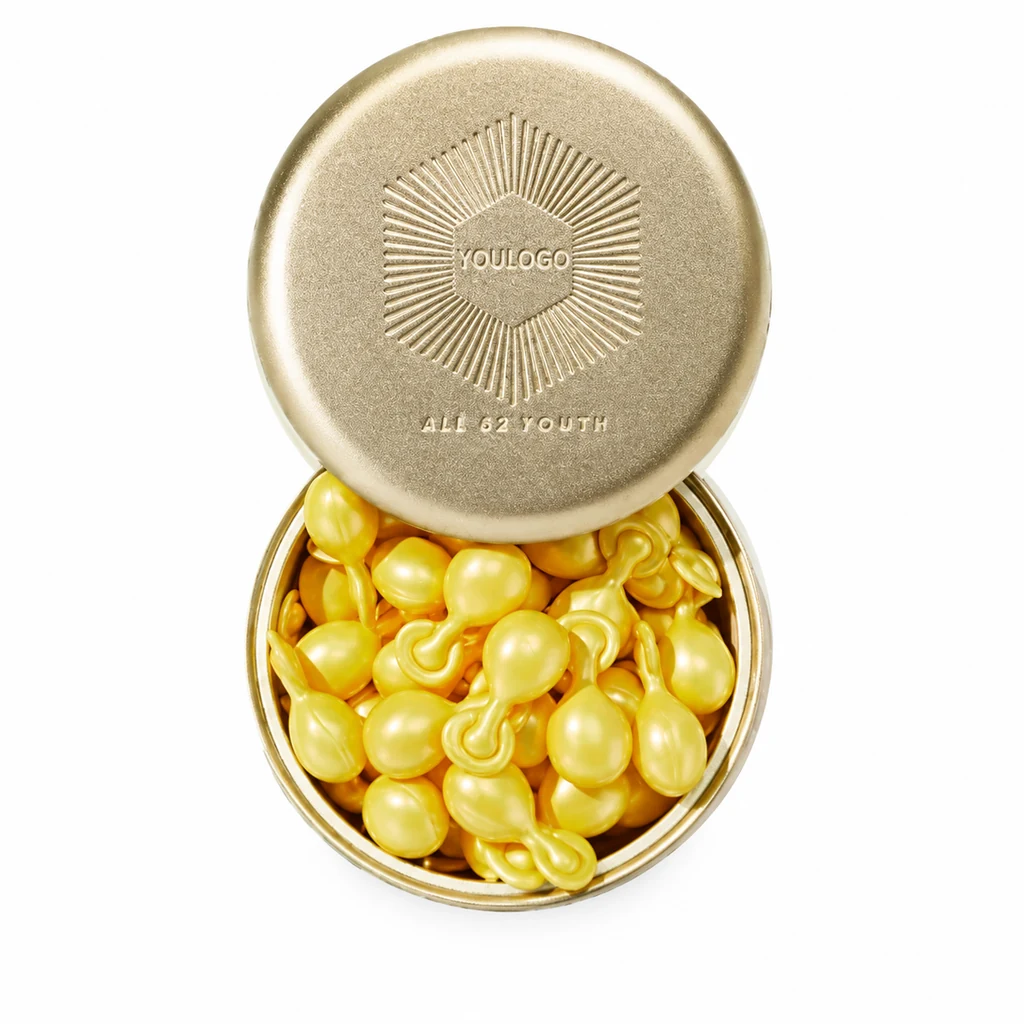
Ready route + brand pack
Use an established capsule direction when the buyer wants a focused launch with logo, label, count and packaging support.
Best first input: product route, target market, package idea and quantity range.
OEM/ODM services
Use one project route to connect formula direction, shell, fill weight, mold, package, sample configuration, production checkpoints and release.
Brand and manufacturing entity
PZIK Capsule Skincare is the B2B brand. Guangzhou Cowin Biotechnology Co., Ltd. is the manufacturing entity supporting the route. The OEM/ODM process records the decisions that affect the finished cosmetic softgel: intended use, formula direction, shell, mold, fill weight, package, target market and acceptance scope.
Each stage gives the buyer a named output that can be reviewed before the project progresses.
Cooperation paths
Not every buyer starts with the same level of specification. Choose the route that matches your formula ownership, packaging readiness and desired development support.
Use an established capsule direction when the buyer wants a focused launch with logo, label, count and packaging support.
Best first input: product route, target market, package idea and quantity range.
Use OEM when the buyer already has a clearer formula, ingredient direction or product specification and needs controlled manufacturing execution.
Best first input: formula brief, shell preference, fill target, pack and documentation needs.
Use ODM or custom development when formula, shell, mold, sensory route or claim scope still need structured technical discussion.
Best first input: consumer use, desired benefit, reference product, market and development expectations.
Project route
Formula, shell, fill, mold and package choices affect each other. Define and document the scope before samples, MOQ, documentation or production timing are treated as final.
Set the intended use, target market, sales channel, quantity range and capsule family being evaluated.
Output: feasibility brief
Align the oil phase, ingredient story, sensory target, shell direction and desired one-use amount.
Output: formula and shell route
Check mold shape, usable fill range, opening experience, count and primary package as one system.
Output: capsule configuration
Keep the formula version, shell, mold, fill weight, package and open questions visible during review.
Output: sample specification
Align appearance, fill, packing and project documentation checkpoints before scheduling production.
Output: production and inspection scope
Confirm packed-goods handling and the relevant product, packaging and destination-market documents.
Output: release and shipment checklist
Customization scope
A capsule project becomes easier to manage when the buyer and manufacturer refer to the same finished configuration. These are the decisions that should be connected before artwork, commercial assumptions or production planning become fixed.

Buyer-ready inputs
You do not need a finished specification. If a decision is still open, state the alternatives and let the project review identify the next technical or commercial choice.
Start with a useful brief
Share the product use, target market, preferred shell or package, and quantity range. PZIK can help identify whether private label, OEM or ODM is the practical next route.
Packaging design references only. Placeholder branding and printed label claims are illustrative; ingredients, performance, shell material, stock and market availability require project confirmation.